Imagine a bustling chemical plant—production limits are approaching, and deadlines loom. Suddenly, a crucial component fails to function as expected. Have you ever wondered how pivotal a catalyst for sulphuric acid can be in such scenarios? Catalysts play an essential role in enhancing chemical reactions, specifically in the manufacture of sulphuric acid, which is vital across various industries, from fertilizers to batteries.

The Limitations of Traditional Solutions
Traditionally, the production of sulphuric acid has heavily relied on inefficient catalytic processes that often lead to high operational costs and energy wastage. Classic catalysts, while effective, may not optimize reaction times or produce the expected yields. This inefficiency not only raises expenses but can also hamper production rates. As we’ve seen, such obstacles can frustrate even the most determined producers. So, what’s the game changer here? Look, it’s simpler than you think—advancements in catalytic technologies!
Innovations in Catalytic Technology
Modern advancements have introduced more efficient catalysts that significantly improve the sulphuric acid production process. For instance, the introduction of advanced catalytic materials has been proven to reduce reaction times dramatically and enhance yields. New formulations, including high-surface-area catalysts and enhanced biocompatibility, enable reactions to proceed under milder conditions, thereby conserving energy and resources. Not to mention, they often require less maintenance, making them appealing for long-term operation. Emphasis on these innovations reveals their potential to adapt to evolving industrial requirements.
Quantified Benefits for Users
Using an updated catalyst can transform production effectiveness and cost-efficiency for manufacturers. Quantitatively, facilities can expect a substantial increase in productivity—often upwards of 20%—while also experiencing a decrease in energy consumption. This dual benefit is a win-win for manufacturers striving to cut costs while boosting output. The real-world implications are clear: by adopting modern catalytic solutions, companies can significantly improve their market position and sustainability practices.
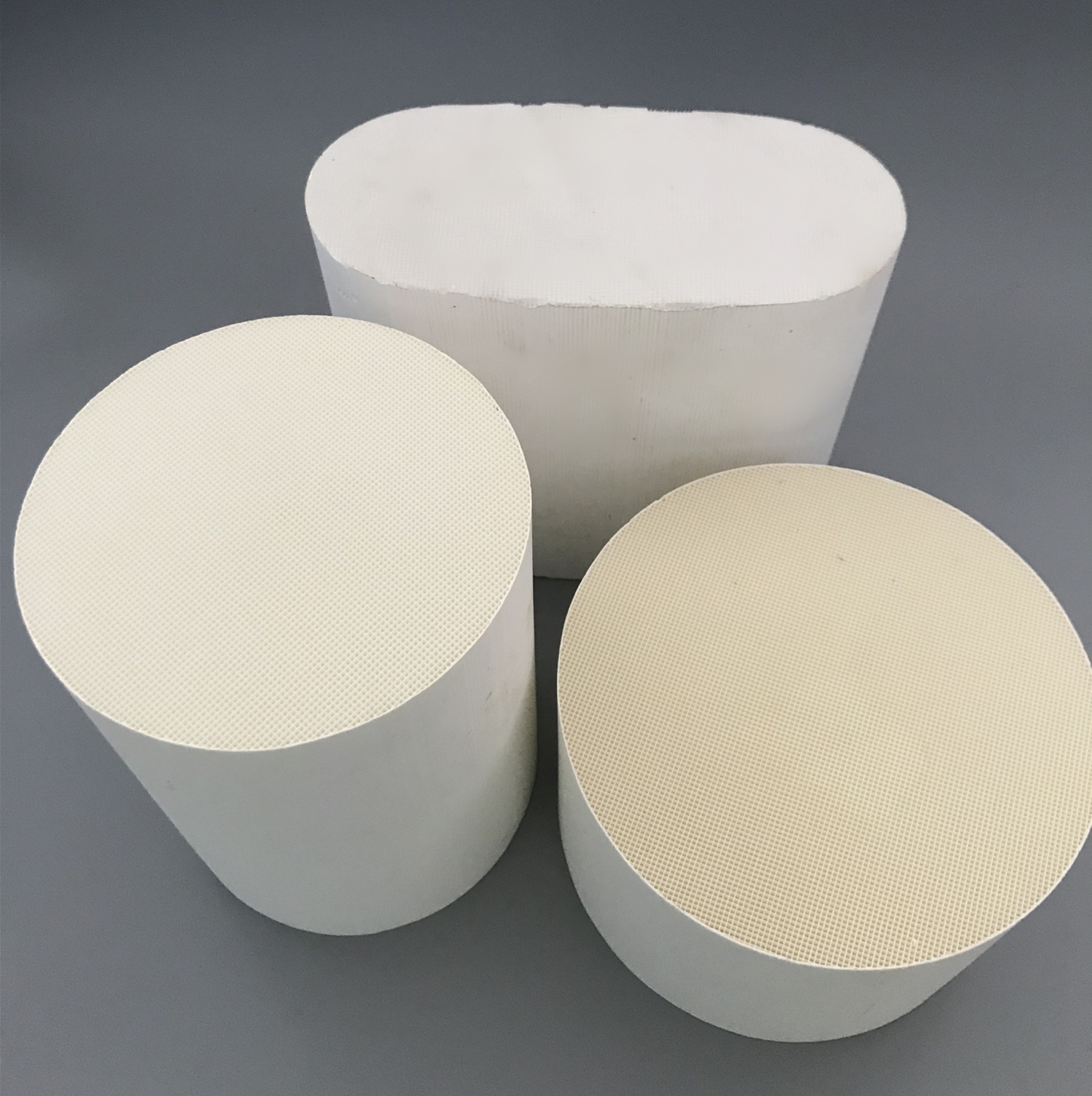
Conclusion: Evaluate These Key Metrics
As you consider your options in catalyst selection, always verify these 3 metrics when choosing solutions: ① catalytic efficiency, ② operational stability, and ③ environmental impact. Staying informed can ensure the right choices are made for a successful production line. If you are looking for expert solutions, check out Hualian Catalyst for reliable catalysts tailored for sulphuric acid production.
In focusing on the unique catalyst for manufacture of sulfuric acid, various materials have emerged as critical players in enhancing efficiency and optimizing processes. As production demands grow, understanding the significance of the catalyst becomes invaluable. This catalyst for manufacture of sulfuric acid is not just a component; it’s a linchpin in the industry, capable of transforming traditional sulfuric acid production methods into more sustainable and economically favorable processes that meet today’s rigorous standards.
Taking a closer look at specifics, the v2o5 catalyst contact process exemplifies an innovative approach to maximizing sulfuric acid yields. This process utilizes vanadium pentoxide (V2O5) as a primary catalyst, facilitating efficient gas-phase reactions. The effectiveness of the v2o5 catalyst contact process lies in its ability to maintain high activity levels across various temperature ranges, proving advantageous in large-scale production. Manufacturers leveraging this process can achieve enhanced throughput while adhering to environmental regulations.
In summary, as industries constantly evolve and demand for sulphuric acid increases, the choice of catalyst becomes paramount. With unique solutions such as the Hualian Catalyst, manufacturers can not only benefit from supply advantages but also gain a competitive edge in efficiency and performance. Staying informed and making data-driven decisions is crucial as chemical production continues to advance.