Aisles, Deadlines, and Decisions: Setting the Scene
You’re at the dock before sunrise. The inbound truck queue stretches past the gate, and shift change is thirty minutes away. An autonomous forklift moves past with a quiet hum, lights steady, route clean. Your legacy lift is waiting on a human spotter, and the clock is not kind. Last quarter, your team saw a 14% spike in demand, a 12-minute average task delay, and a 3% increase in near-miss reports. Is your plan built for that pace, or only for yesterday’s loads? This is where choices get real—where control meets capacity and safety. We will compare how decisions ripple across uptime, cost, and morale (yes, that matters in throughput). Today, we teach, not preach: small signals tell the big story. And we turn those signals into action without the jargon overload. Ready to test your roadmap against what the floor really needs? Let’s move from noise to clarity and set up the next section with a head-on look at what breaks under stress.
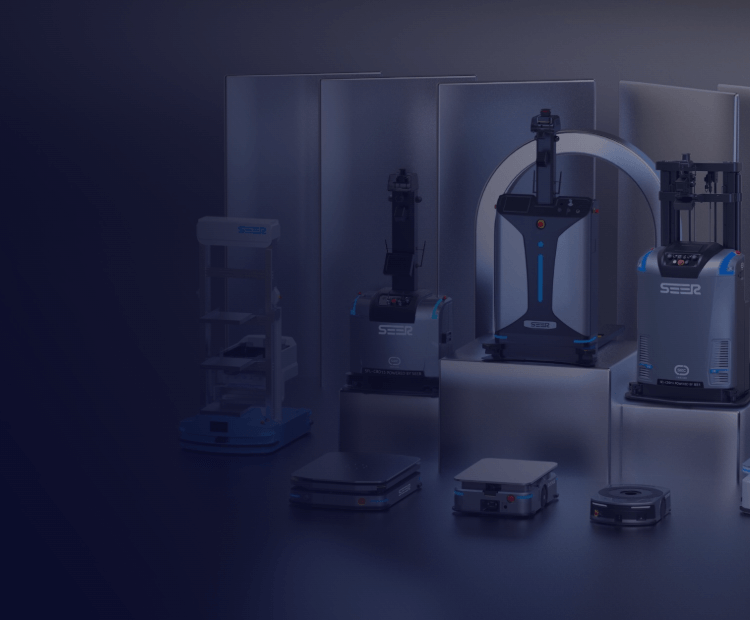
Where Legacy Logic Falls Short
What’s the hidden cost?
A modern robotic forklift system shines when the old playbook starts to wobble. Traditional automation leans on fixed routes, manual barcode checks, and rigid PLC handshakes. Under load, that stack stutters. SLAM localization and LiDAR point clouds can keep a lane open when pallets drift, but legacy gear often needs a reset or a spotter. Look, it’s simpler than you think: when variability rises, brittle logic multiplies small delays into big ones. Your WMS may plan well, but the aisle conditions change by the minute—funny how that works, right? Safety PLCs are strong at emergency stops, yet the system still wastes seconds in cautious creep because it cannot predict intent around corners. Those seconds add up, especially across dense pick waves and mixed-SKU zones.

There’s also the hidden user pain. Operators end up babysitting routes, clearing false positives, and re-queuing tasks after a narrow squeeze. That mental load is real. It’s not just fatigue; it’s decision debt. Without edge computing nodes close to the lift, the decision loop stretches, so avoidance feels jerky and recovery lags. When this happens five times per hour, your people lose trust, and your flow collapses into manual overrides. In short, old logic breaks in the gray areas—dynamic obstacles, power dips, messy pallets—and it passes the bill to your team. The lesson is technical, but it’s human too: resilience must live at the edge, not only in the back-end plan.
Looking Ahead: Principles That Scale
What’s Next
To go forward, compare architectures, not just features. A strong robotic forklift system leans on new technology principles: local perception fused with global policy, fast fleet orchestration, and energy-aware motion. Edge AI trims the control loop; decisions happen on-board in milliseconds, while the cloud handles policy and learning. Digital twin models simulate aisle speed before deployment, so you find choke points without burning a shift. V2X-style calls between lifts and doors reduce blind turns. Power converters and battery telemetry feed energy per pallet moved, so routing favors longer life over short sprints—and no, it’s not magic. It’s disciplined systems thinking.
Now set this next to legacy paths. One workflow depends on resets, spotters, and buffers. The other uses real-time coordination to keep flow. With the same fleet size, the latter squeezes more out of idle pockets and trims mean time between assists. You still keep safety first, but you stop paying for caution with constant crawl. Here’s how to judge your next step. First, time-to-first-pallet, including WMS and MES integration, not just a lab demo. Second, fleet utilization with mean time between assists, so you track how often a human steps in. Third, energy per pallet moved and charge cycle health, because uptime without battery longevity is a short win. If these three signals rise together, your plan is working. If not, reframe and iterate with purpose. The goal is steady flow, lower cognitive load, and clear evidence on the scoreboard—one aisle at a time. Learn fast, deploy safely, and keep your people in the loop with calm, clear rules. For more on the practice behind the principles, see SEER Robotics.